





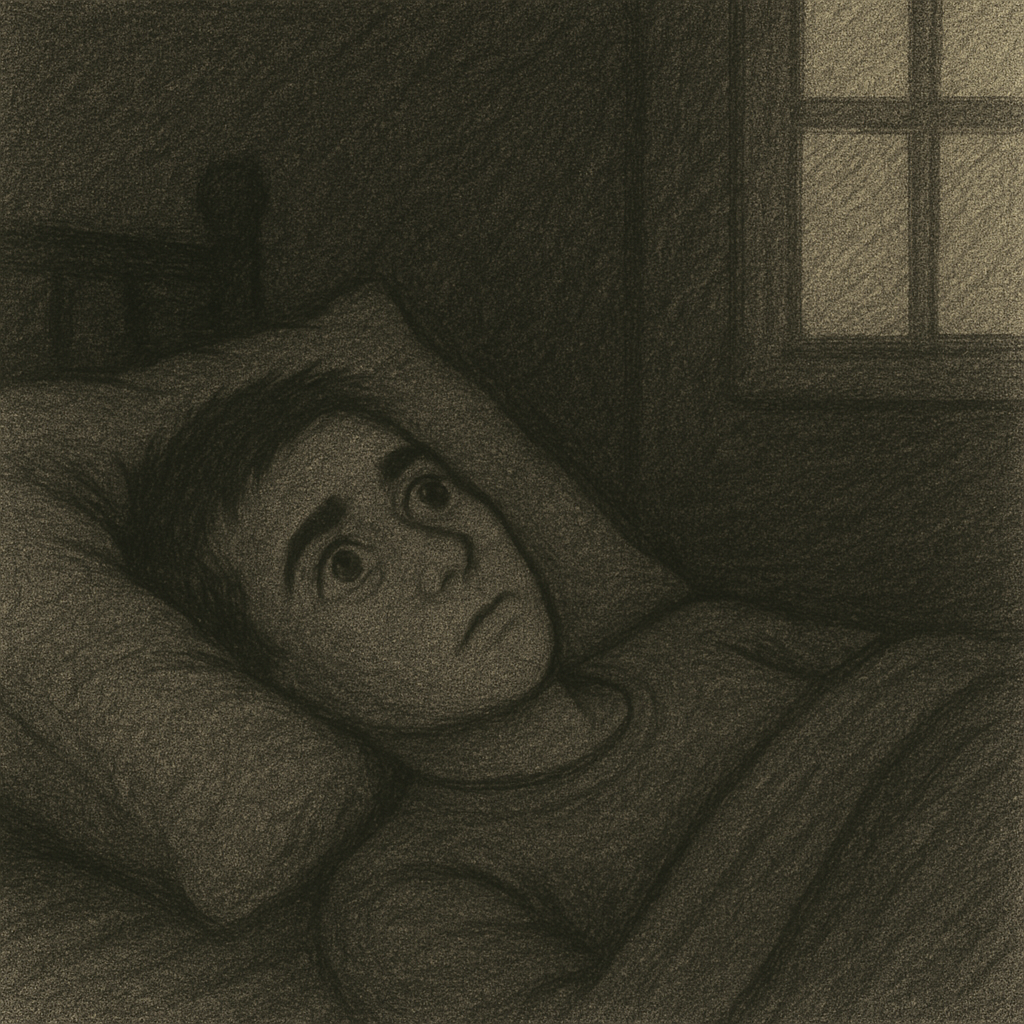
Why, as a nation, are we getting sleep so, so wrong?
We know what to do. The science is clear, the recommendations are everywhere, and the evidence is overwhelming.
Andrew Huberman's sleep toolkit has been shared millions of times.
Matthew Walker's research has penetrated mainstream consciousness.
The NHS tells us to get seven to nine hours.
Yet here we are: a nation where 60% of adults sleep six hours or less each night, where nine in ten people report sleep problems, and where we're collectively losing £718 billion annually to sleep deprivation across OECD countries.
This isn't a knowledge problem anymore. It's something far more interesting and far more challenging.
The Sleep Toolkit You Already Have
Let me start with what we know works. Huberman's toolkit is genuinely excellent, a masterclass in translating sleep neuroscience into actionable steps:
- Morning sunlight exposure within 30-60 minutes of waking to set your circadian rhythm
- Consistent sleep-wake times to reinforce your body's natural clock
- Caffeine cut-off eight to ten hours before bed (twelve to fourteen if you're particularly sensitive)
- Evening light restriction after 10pm, keeping things dim and avoiding bright overhead lights
- Cool, dark bedrooms with layered blankets you can remove
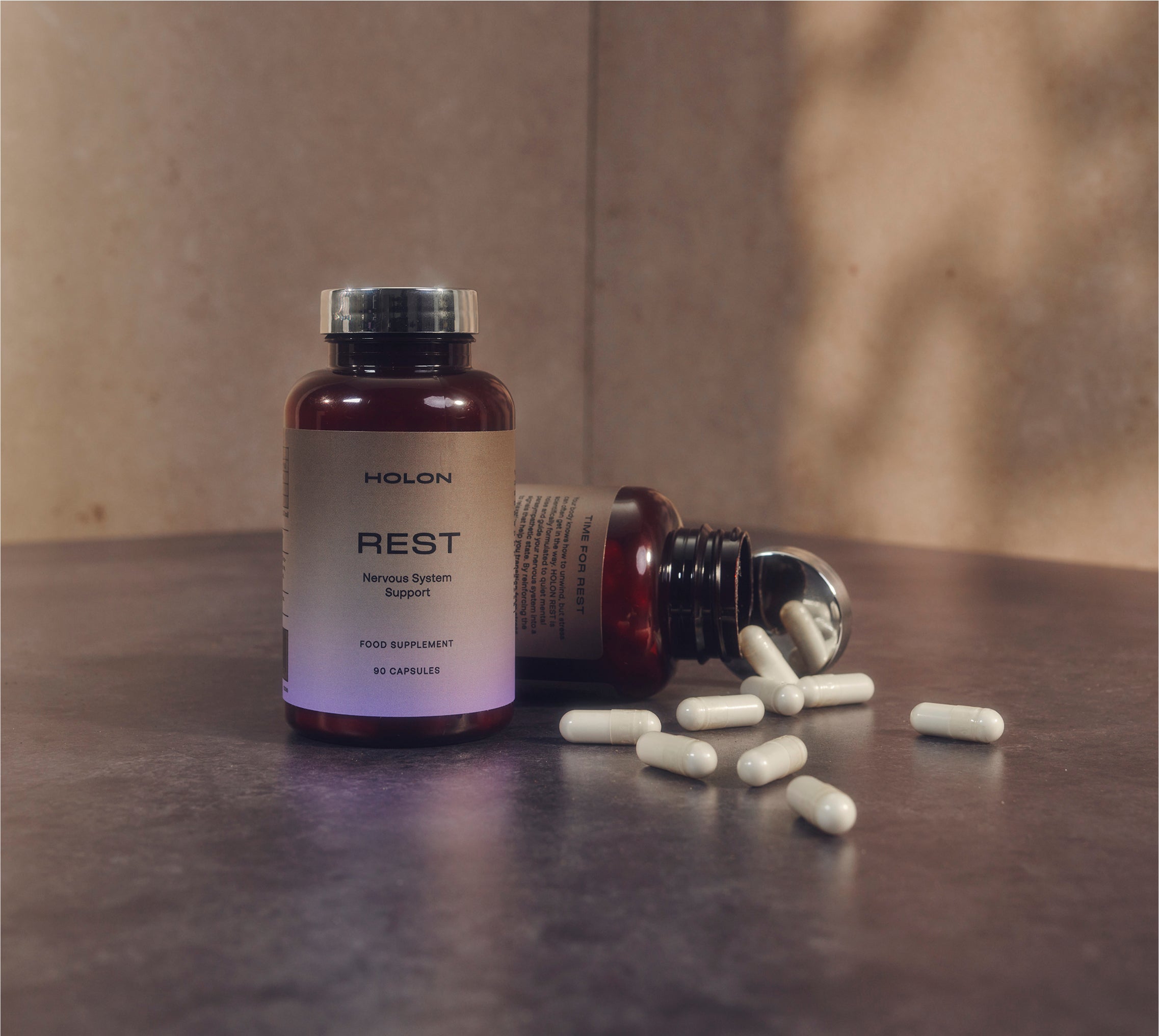
- Strategic supplements like magnesium threonate, taurine and L-theanine for those of us who need additional support (see Rest Supplement)
It's comprehensive. It's scientifically sound. And for many of us in the UK, it remains completely theoretical.
The 2024 Dreams survey of 15,000 UK adults showed some encouraging signs. Screen time before bed has decreased by 19% since 2022, and 33% of people now wake feeling refreshed compared to 27% two years ago. Progress exists. But the fundamental gap persists: we know what to do, yet we consistently fail to do it.
Sleep: The Intention-Behaviour Gap
Psychologists have a term for this: the intention-behaviour gap. It's the chasm between what we genuinely intend to achieve and what we actually end up doing. And when it comes to sleep in the UK, this gap has become a canyon.
The COM-B model of behaviour change helps us understand why. For behaviour to occur, we need three elements working in harmony:
Capability: Do we have the physical and psychological capacity to perform the behaviour?
Opportunity: Does our environment (both physical and social) facilitate or hinder the behaviour?
Motivation: Are we sufficiently driven to prioritise this behaviour over competing demands?
When I examine our collective sleep crisis through this lens, it becomes clear that the problem isn't simply individual willpower. It's systemic.
Capability: The Sleep Knowledge Paradox
We have unprecedented access to sleep science.
The Sleep Charity's 2024 manifesto revealed that 37% of UK adults experience insomnia, yet only a fraction receive proper support. Not because we don't know it matters (everyone knows sleep matters) but knowing and implementing are entirely different neurological processes.
Implementation requires more than knowledge. It requires what psychologists call "psychological capability" which is the mental bandwidth to translate information into routine. But when you're already sleep-deprived, your capacity for self-regulation plummets. You're trying to fix your sleep with a brain that's too exhausted to execute the plan.
It's a cruel paradox: the worse your sleep gets, the less capable you become of fixing it.
Opportunity: The 24/7 Culture
The UK has spent the last decade wrestling with hustle culture. The 2024 Owl Labs survey found that 50% of workers cite work-life balance as their primary reason for seeking new employment, up from 41% in 2023. We're beginning to reject the glorification of sleep deprivation, but the structural barriers remain deeply embedded.
19% of UK adults lose sleep to financial concerns. Being too hot is now the leading cause of sleep disturbance, affecting 37% of people (a symptom of inadequate housing stock and climate change?). Weekend working and nonstandard schedules are increasingly prevalent, disrupting the consistent sleep-wake patterns that Huberman emphasises as foundational.
The opportunity to implement good sleep habits simply isn't there for millions of people. You can't "just" get morning sunlight when you're working night shifts. You can't "just" maintain consistent sleep times when financial anxiety keeps you awake at 3am.
Motivation: When Sleep Competes with Everything Else
Even when capability and opportunity align, motivation falters. Because we don't value sleep? No, we very much do, but because it must compete with every other demand on our time and attention.
Research on the intention-behaviour gap shows that goal difficulty, goal conflict, and perceived behavioural control are powerful moderators of whether intentions translate into action. Sleep hygiene recommendations often fail on all three counts:
- Goal difficulty: Implementing Huberman's full protocol requires significant lifestyle restructuring
- Goal conflict: Sleep competes with work deadlines, social commitments, evening exercise, and evening screen time for entertainment
- Perceived control: Many of the factors affecting sleep (noise, temperature, work schedules) feel outside our control
The theory of planned behaviour tells us that intentions only predict behaviour when people also feel they have sufficient control over the behaviour. When external factors dominate, even strong intentions crumble.
The British Context: Why The Conversion Around Sleep Hits Differently Here
There's something specifically British about our sleep crisis that's worth naming. We're caught between declining hustle culture and the structural realities that made hustle culture attractive in the first place.
The cost of living crisis keeps 45% of Brits awake at night. London residents are particularly affected, with 21% losing sleep to financial stress. Meanwhile, our housing stock is among the oldest and least energy-efficient in Europe, contributing to the temperature regulation problems that now disturb 37% of sleepers.
Our work culture is shifting (did you know 73% of UK workers would sacrifice salary for a four-day week?) but the underlying economic pressures that drove overwork haven't disappeared. They've just created a different kind of tension: wanting rest but needing income.
The UK also sits in an interesting position climatically. You probably don't need me to tell you this, but I'll explain anyway.... We're not Scandinavian (where sleep is longer and working hours shorter) nor East Asian (where death from overwork is recognised and sleep sacrifice is culturally normalised). We're somewhere uncomfortable in between where we are aware of the problem, wanting to change, but struggling against systems not built to prioritise recovery.
Beyond Individual Responsibility: What Actually Needs to Change
What've I learned after years of working in the sleep optimisation space: individual sleep hygiene advice, no matter how scientifically sound, cannot solve a structural problem.
The Sleep Charity's call for a National Sleep Strategy is exactly right. We need:
- Sleep education embedded in public health campaigns not as an afterthought, but with the same intensity we apply to smoking cessation and alcohol reduction
- Clinical training and access to evidence-based treatments particularly CBT for insomnia, which remains unavailable to most people who need it
- Workplace reform that actually supports sleep not just flexible working, but genuine recognition that sustainable performance requires recovery
- Housing and environmental policy that acknowledges temperature regulation as a sleep essential
More important than above, we also need something more fundamental: a cultural shift from sleep as individual responsibility to sleep as collective infrastructure.
The Planning Gap: Why Implementation Intentions Matter
While we work toward systemic change, there are psychological tools that genuinely help individuals bridge the intention-behaviour gap. The most robust is implementation intentions, the specific "if-then" plans that bypass our need for willpower.
Instead of "I'll get morning sunlight," you need: "When I finish my morning coffee, I'll step outside for ten minutes, even in winter."
Instead of "I'll keep a consistent bedtime," you need: "When it's 10pm, I'll close my laptop and start my wind-down routine, regardless of what's unfinished."
This approach works because it moves the decision-making from the moment of action (when you're tired and your self-control is depleted) to an earlier point when you can think clearly. You're not relying on motivation; you're relying on automation.
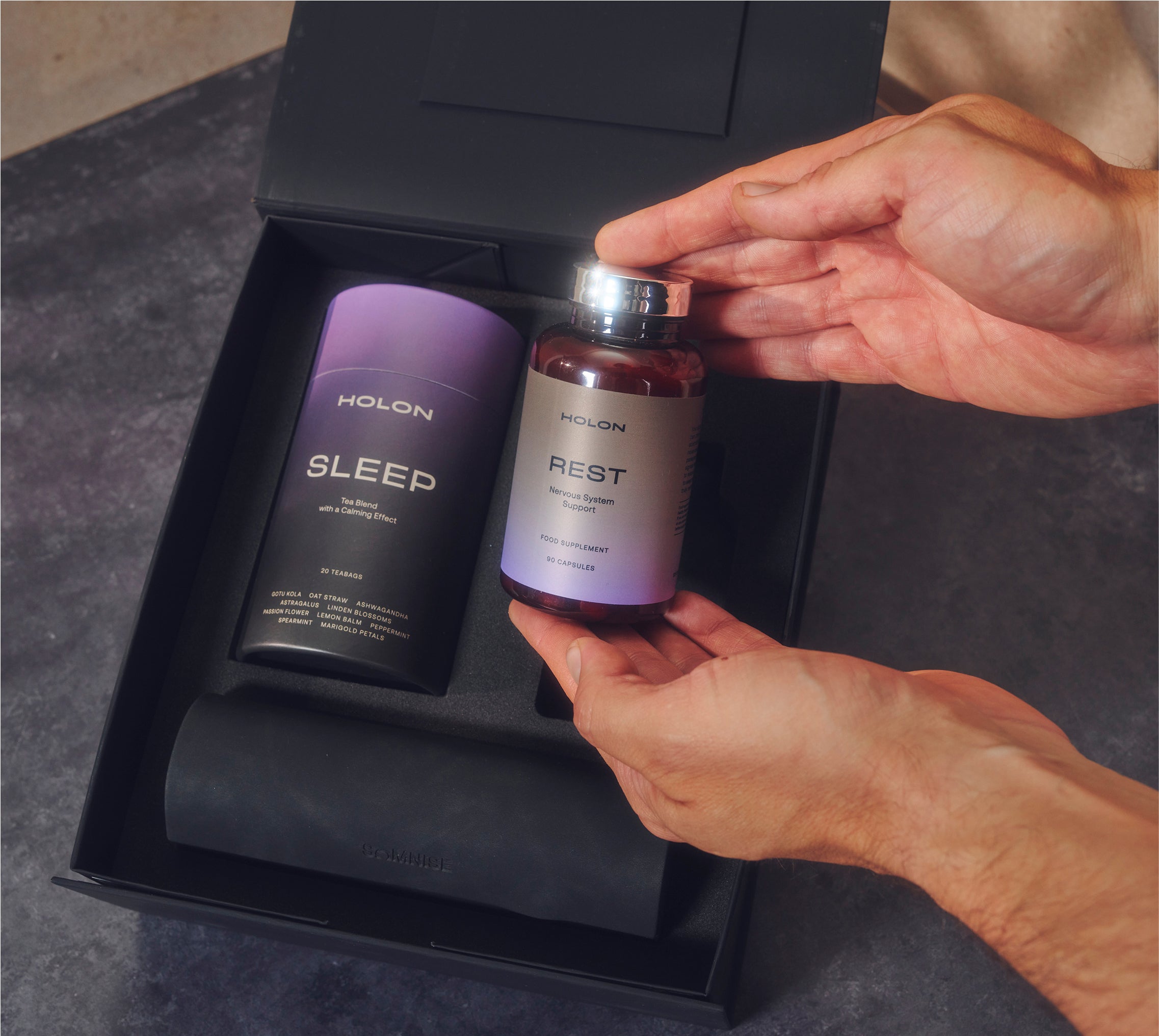
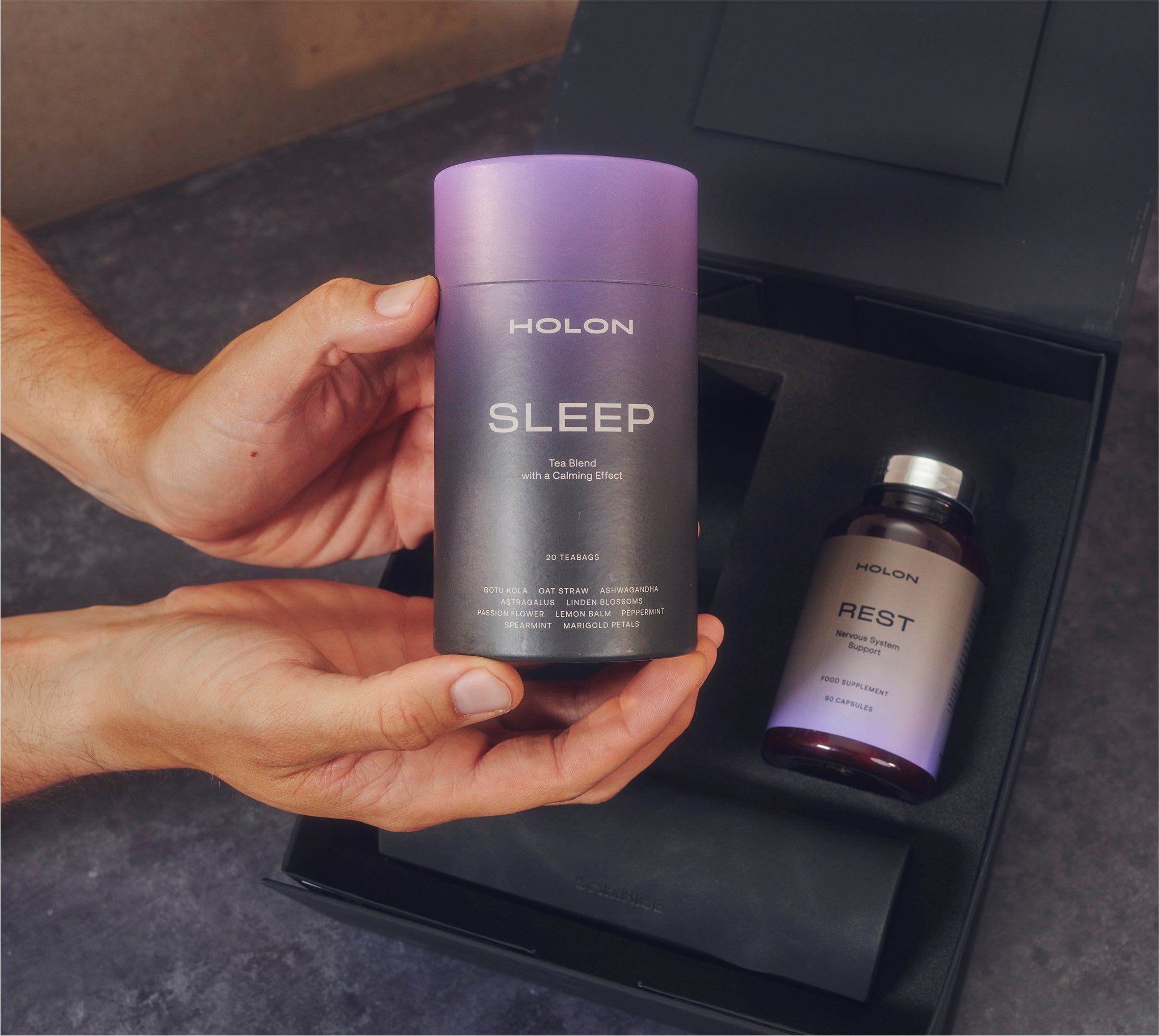
Protocol, a system for sleep, sits at the foundation of Sleep Box. The tools you need for a better night's sleep.
The research on this is clear: implementation intentions significantly strengthen the relationship between intentions and behaviour, particularly when combined with habit formation strategies that reduce the conscious effort required.
Sleep: The Role of Social Contracts
There's another element that deserves attention: the social dimension of behaviour change. We're remarkably good at keeping commitments to others while routinely breaking promises to ourselves.
You'd never leave a friend waiting outside your house for that 6am run. But you'll roll over and skip it when it's just you.
This suggests that social accountability might be one of the most underutilised tools in sleep improvement. Not formal programs or apps, but the simple human reality that we're more reliable when others are counting on us.
What if we applied this to sleep? Sleep schedules shared with partners or housemates.
Morning sunlight walks with colleagues?
Evening wind-down routines that involve family?
The research on social norms and behaviour change suggests these approaches could be remarkably effective. They work with human psychology rather than against it.
What We Are Trying to Do Differently at Holon
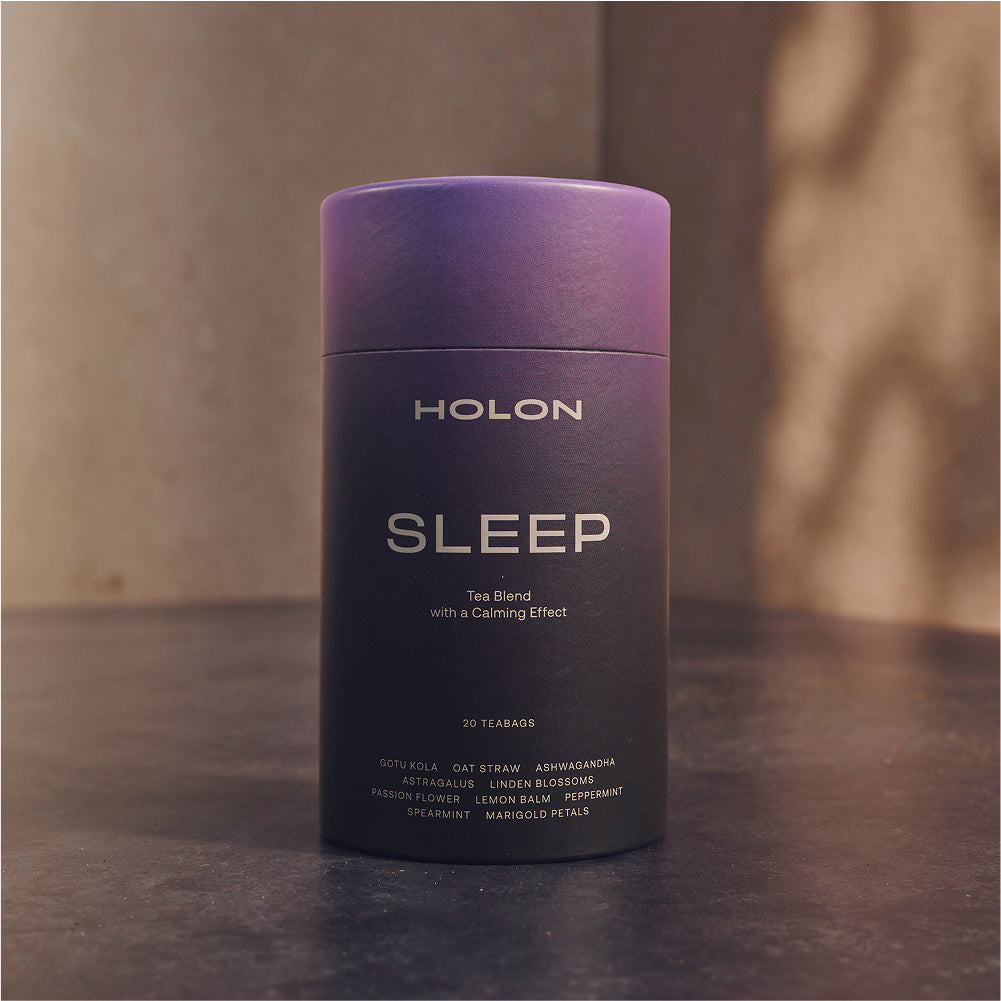
At Holon, we've been thinking about this gap deeply. Our Sleep Tea formulation, with Gotu Kola, chamomile, valerian, and other carefully selected herbs, isn't about replacing sleep hygiene. It's about acknowledging that sometimes you need support that meets you where you are, not where the optimal protocol says you should be.
Even more than our products, I'm interested in how we talk about sleep. The narrative of "sleep optimisation" can become another source of pressure, another thing you're failing at when you don't execute perfectly. That's the opposite of helpful.
What if instead of optimisation, we talked about sleep as resilience? As the foundation that makes everything else possible? As something that deserves protection, not because you're weak if you need it, but because you're wise if you prioritize it?
Achieving the elusive better night's sleep
Through my research and conversations I keep coming back to: we're asking individuals to solve what is fundamentally a collective problem.
You can implement every item in Huberman's toolkit perfectly. You can take the supplements, get the sunlight, keep the room dark and cool. And you'll probably sleep better for it, genuinely.
- When 60% of a nation is chronically sleep-deprived?
- When nine in ten people report sleep problems?
- When our economic productivity is being devastated by exhaustion?
You get the sense we're dealing with something far bigger than individual choices.
The intention-behaviour gap in sleep exists because the gap between our biological needs and our social structures has become untenable. We've built a society that requires constant availability, then we're surprised when people can't switch off.
Moving Forward: Small Changes, Big Shifts
So what do we do? Both as individuals trying to sleep better and as a society that needs to address this systemically?
For individuals:
- Start smaller than Huberman's full protocol. Pick one element, probably morning sunlight, and make it non-negotiable.
- Use implementation intentions. Be specific about when, where, and how you'll act.
- Build social contracts around sleep. Make it something you do with others, not just for yourself.
- Be honest about what's actually in your control versus what requires systemic change.
- With Sleep Box, build your own protocol
For employers:
- Stop treating sleep as individual responsibility and start treating rest as organisational infrastructure.
- Model good sleep practices at leadership level. You can't preach work-life balance while sending emails at midnight.
- Create environments where saying "I need sleep" is met with support, not judgment.
For policymakers:
- Treat sleep as public health priority, not wellness trend.
- Fund proper sleep medicine and CBT for insomnia.
- Consider how housing, work regulations, and social policy either support or undermine population sleep.
For all of us:
- Stop glorifying exhaustion.
- Stop treating sleep as optional.
- Stop asking why individuals can't implement basic sleep hygiene when the structures around them make it nearly impossible.
What's The Question We Should Be Asking?
The title of this piece asks why we're getting sleep so wrong as a nation. Perhaps the better question is: Why are we still framing sleep as something individuals get wrong, rather than something we're collectively failing to support?
The toolkit exists. The science is clear. The recommendations are sound. What we're missing isn't information, it's the recognition that knowledge without opportunity is just frustration, and intention without capability is just guilt.
We know what to do. Now we need to build a world where doing it is actually possible.
Joshua Fields studied at Oxford and Harvard before founding Holon, where he takes a systems-based approach to sleep optimization through functional medicine principles. He writes about the intersection of sleep science, behavioral psychology, and the cultural factors that shape how we rest—or fail to.
References
- The Sleep Charity. (2024). Dreaming of Change: A Manifesto for Sleep.
- Dreams. (2024). The 2024 UK Sleep Survey.
- Huberman, A. (2021). Toolkit for Sleep. Huberman Lab Newsletter.
- Owl Labs. (2024). State of Hybrid Work 2024: Death of hustle culture.
- Sheeran, P., & Webb, T.L. (2016). The intention–behavior gap. Social and Personality Psychology Compass, 10(9), 503-518.
- Michie, S., van Stralen, M.M., & West, R. (2011). The behaviour change wheel: A new method for characterising and designing behaviour change interventions. Implementation Science, 6, 42.
- Bailey Sleep. (2024). Sleep in Numbers: 10 Statistics That Reveal the UK's Sleep Crisis.
- The Lancet Diabetes & Endocrinology. (2024). Sleep: a neglected public health issue.
- Weston, G., Zilanawala, A., Webb, E. et al. (2024). Work hours, weekend working, nonstandard work schedules and sleep quantity and quality: findings from the UK household longitudinal study. BMC Public Health, 24, 309.
- Conner, M., & Norman, P. (2022). Understanding the intention-behavior gap: The role of intention strength. Frontiers in Psychology, 13.
Read more

There's a particular moment I remember from early in my journey with Holon. I was speaking with a successful entrepreneur who'd built a multimillion-pound business, and when I asked about his sleep...

When we set out to create our Sleep Tea, we weren't interested in following trends or sprinkling in "calming herbs" at token doses. We wanted every ingredient to earn its place through robust scien...


