


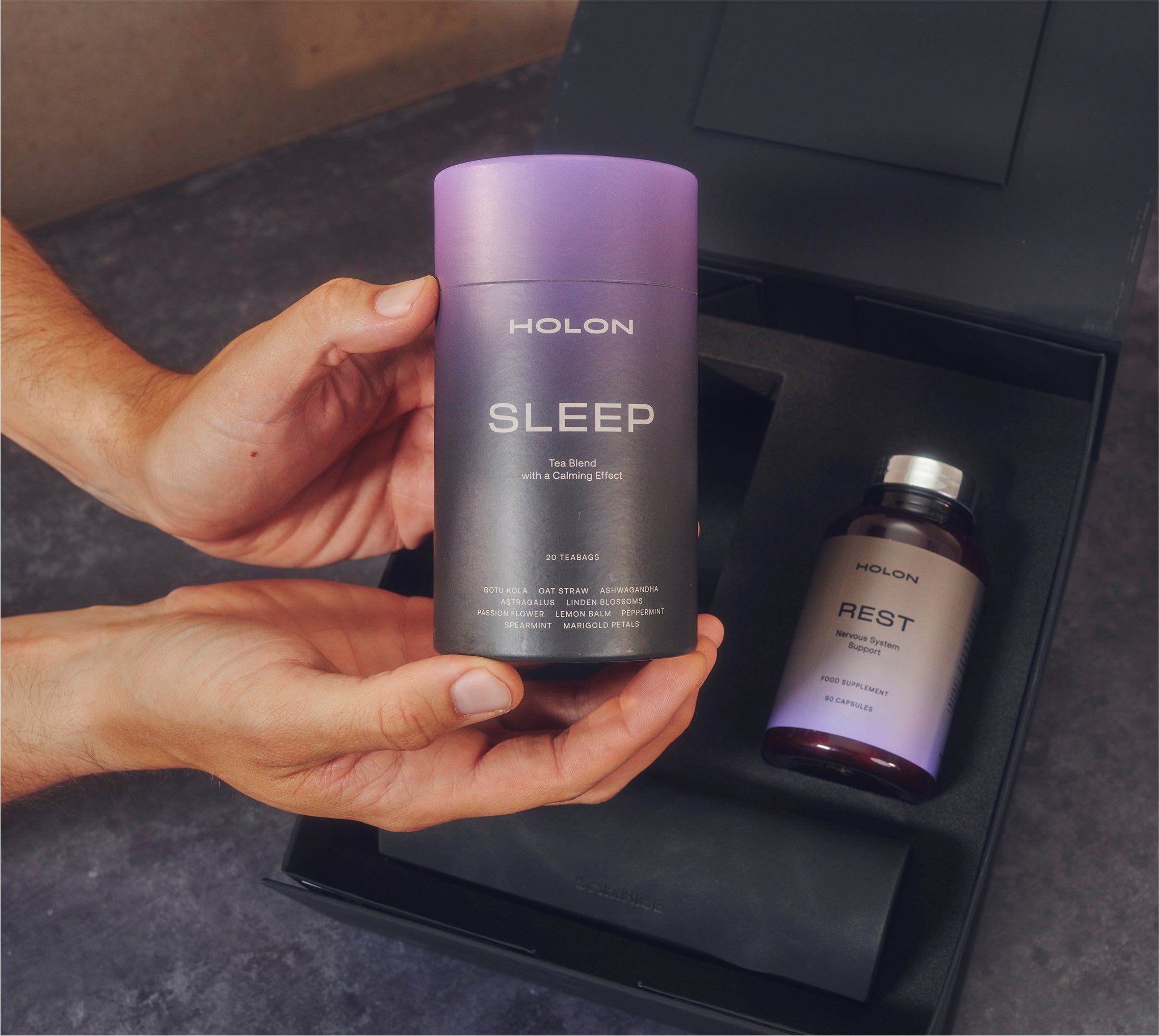



The Dangerous Delusion: Why Sleep Deprivation is Not a Badge of Honour
There's a particular moment I remember from early in my journey with Holon. I was speaking with a successful entrepreneur who'd built a multimillion-pound business, and when I asked about his sleep, he replied with a smirk: "Four hours a night. Five if I'm lucky." He said it the way you might mention running marathons or speaking three languages. It was a flex. A point of pride.
And I understood it. I'd been there myself, the Oxford and Harvard graduate and investment banker who thought pushing through exhaustion was what separated the successful from the ordinary.
Chronic health issues, including devastating sleep problems, eventually taught me otherwise. But what troubles me now isn't just my own story. It's how deeply embedded this mythology has become in business culture, and how catastrophically wrong we've got it.
Why The Cult of Sleeplessness?
We've created a strange religion around sleep deprivation in the business world. The mantras are everywhere: "I'll sleep when I'm dead." "You snooze, you lose." "Sleep is for the weak." High-profile leaders boast about their punishing schedules. Elon Musk's 120-hour weeks, executives sending emails at 2am to prove they're "extremely hardcore."
This attitude remains pervasive among entrepreneurs, professionals and parents, where working without reprieve is seen as heroic. We've somehow convinced ourselves that sacrificing sleep demonstrates discipline, grit, and commitment to success.
What does science actually tell us? We're not heroes. We're impaired.
Sleep Deprivation: The Sobering Science
Research shows that missing the equivalent of one night's sleep produces cognitive impairment equivalent to a blood alcohol concentration of about 0.1… legally you are too drunk to drive! Let that sink in. That presentation you gave after pulling an all-nighter? You may as well have delivered it after several drinks.
The effects extend far beyond mere drowsiness. Sleep deprivation reduces the normal release of neurotransmitters that refresh and restore receptor sensitivity, resulting in reduced cognition across multiple domains. We're talking about impaired memory formation, diminished attention, compromised judgment, and weakened decision-making. Precisely the capabilities that actually drive business success.
Recent research published in 2025 demonstrates that just 24 hours of sleep deprivation leads to measurable impairments in cognitive performance, altered cerebral blood flow, and decreased cortical neurovascular coupling. Your brain literally can't maintain adequate blood supply during intensive cognitive work when you're sleep deprived.
Sleep Deprivation: The Hidden Costs
What's particularly insidious about this badge-of-honour mentality is that sleep-deprived individuals are often too exhausted to recognise their own decline in performance. Scientists suggest that IQ test scores decline on each successive day you sleep less than you naturally would, and people pulling 16-hour days regularly are too tired to notice that their work has suffered.
The economic implications are staggering. Sleep deprivation costs the U.S. economy alone between $280-$411 billion annually, and sleep-deprived employees experience an average productivity loss of nearly two work weeks per year.
But it's not just about productivity metrics. Sleep-deprived leaders are more likely to be irritable, engage in abusive behaviour toward their teams, and make unethical decisions. One study found that a 2.1-hour reduction in sleep led to a 10% decline in moral awareness.
The ripple effects are profound. Sleep deprivation has been identified as a contributing factor in catastrophic events including the Exxon Valdez grounding, the Three Mile Island incident, the Bhopal disaster, and the Challenger explosion. These weren't just accidents. They were consequences of a culture that undervalues rest.
Sleep Deprivation: The Long-Term Damage
While we obsess over quarterly results and immediate output, we ignore the compounding damage of chronic sleep deprivation. Insufficient sleep doubles your risk of cancer, is a major factor in developing Alzheimer's, increases likelihood of heart attacks and strokes, reduces learning ability and memory acuity, and is linked to mental illnesses.
Chronic sleep deprivation specifically impacts hippocampal ripples that support memory formation, weakening their efficacy and causing lasting damage to brain function. Even more concerning, the effects of sleep deprivation cannot be fully restored. Individuals with a history of frequent sleep restriction may show cognitive impairment even when they later get sufficient sleep.
We're not just borrowing from tomorrow. We're taking out loans we can never fully repay.
Sleep Deprivation: The Cultural Shift We Need
What frustrates me most? While business leaders wouldn't brag about how little they exercise or how unhealthy their diet is, sleep somehow falls into a different category, equated with laziness rather than essential restoration.
This is changing, slowly. Evidence suggests a new cultural frame is emerging that valorises workplace recovery, though for many, adequate rest remains a subversive act. We're beginning to recognise that productivity isn't about hours worked… it's about the quality of work produced.
Sleep isn't downtime. I’ll repeat. Sleep IS NOT downtime. During sleep, the brain's glymphatic system increases cerebrospinal fluid flow by 60%, successfully clearing toxic cellular molecules including beta-amyloid, a primary contributor to neurodegenerative diseases like Alzheimer's. Your sleeping brain is actively processing, consolidating memories, solving problems, and literally cleaning house.
Reframing Success
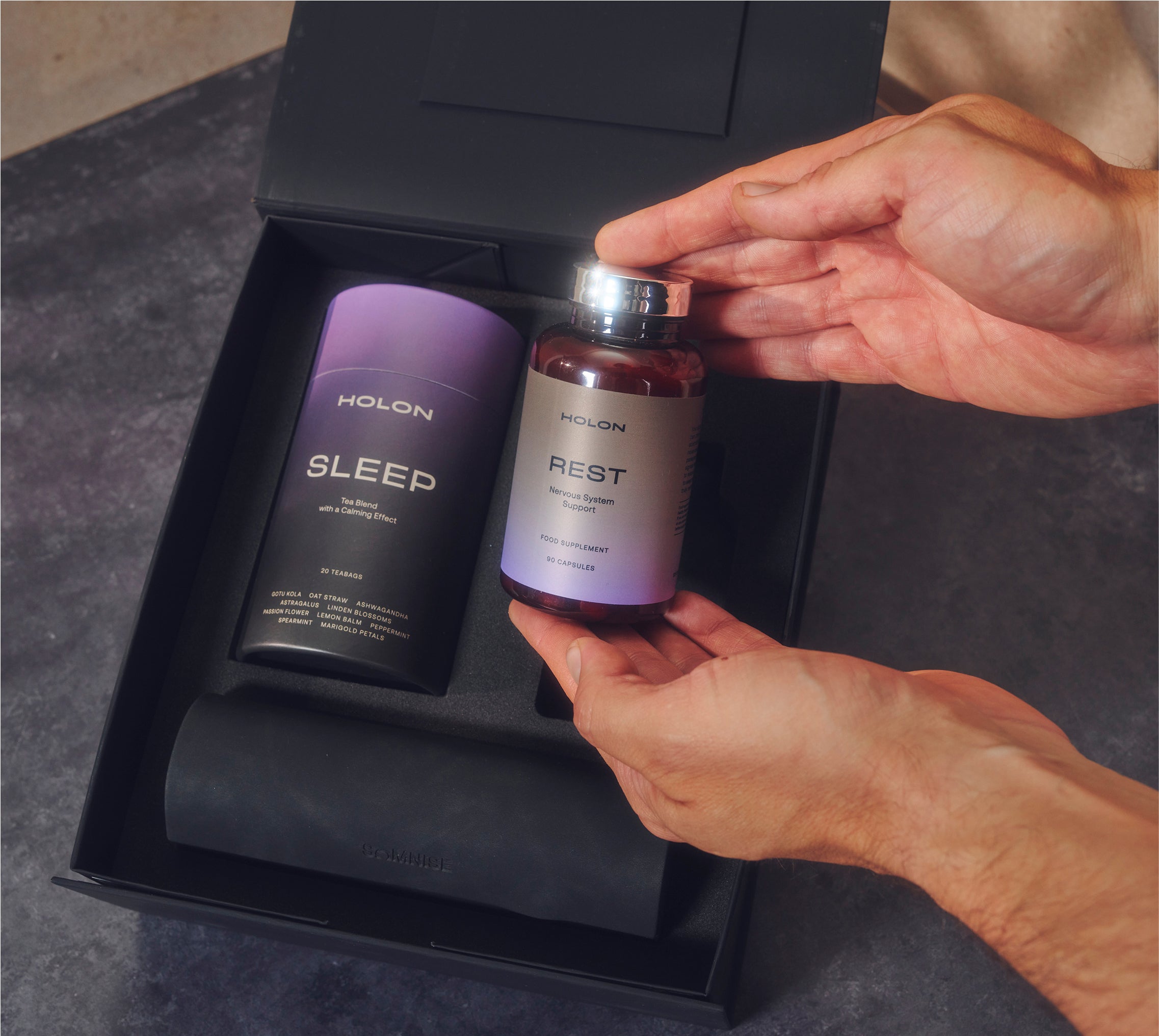
At Holon, we approach sleep from a systems perspective combining circadian biology, nervous system regulation, biochemistry, and lifestyle factors. What we've learned, both from clinical practice and our own Sleep Box validation studies, is that optimising sleep isn't about weakness. It's about performance.
Sleep is essential for creativity and problem-solving. Aren't these the things you want more of at work, not less of? Your brain remains active at night, working through matters you can't address during the day. The question isn't whether you can afford to prioritise sleep. It's whether you can afford not to.
The entrepreneurs, executives, and professionals I most admire aren't the ones bragging about their 4am wake-up calls and perpetual exhaustion. They're the ones who understand that sustainable high performance requires recovery. They're the ones who've realised that working 80 hours a week at 60% capacity produces far less than working 50 hours at 95% capacity.
What Is The Real Badge of Honour?
If we're going to wear anything as a badge of honour in business, let it be this: the wisdom to recognise that rest is not weakness, it's strategy. The courage to prioritise long-term performance over short-term posturing. The intelligence to understand that your most valuable asset isn't your time, it's your cognitive capacity.
Sleep deprivation isn't a rite of passage. It's a mark of stupidity… literally, as demonstrated by declining cognitive function.
The conversation around sleep is shifting, driven by mounting evidence and growing awareness. But we still have work to do. Every time a leader boasts about their minimal sleep, they're not just harming themselves, they're perpetuating a toxic culture that damages teams, undermines performance, and ultimately fails the very businesses we claim to be building.
The most radical act in today's business culture? Recognising that rest is revolutionary. That recovery is competitive advantage. That sleep is not a luxury, it's foundational to everything else we're trying to achieve.
It's time to stop celebrating exhaustion and start celebrating effectiveness. Your brain, your business, and quite possibly your future self will thank you.
Sources and References
-
The Muse - "Take It From a Former 'I Never Sleep' Bragger: Being Tired Isn't a Badge of Honor" (June 2020) https://www.themuse.com/advice/take-it-from-a-former-i-never-sleep-bragger-being-tired-isnt-a-badge-of-honor
-
South China Morning Post - "Wake up! It's time to stop treating sleep deprivation as a badge of honour" (January 2018) https://www.scmp.com/business/companies/article/2127905/wake-its-time-stop-treating-sleep-deprivation-badge-honour
-
Journal of Ethics, American Medical Association - "Modern Work and the Sleepy Worker" (September 2008) https://journalofethics.ama-assn.org/article/modern-work-and-sleepy-worker/2008-09
-
Thrive Global - "Why Do We Wear Exhaustion as a Badge of Honour?" (March 2020) https://community.thriveglobal.com/why-do-we-wear-exhaustion-as-a-badge-of-honour/
-
Basecamp - "Being Tired Isn't A Badge of Honor" https://basecamp.com/articles/being-tired-isnt-badge-of-honor
-
NeuroLeadership Institute - "How Our Dysfunctional Sleep Culture Erodes Performance" (March 2023) https://neuroleadership.com/your-brain-at-work/how-our-dysfunctional-sleep-culture-erodes-performance
-
Entrepreneur - "The Sleep and Anxiety Protocol Helping Founders Stay Calm, Focused, and Ahead" (May 2025) https://www.entrepreneur.com/en-gb/lifestyle/the-sleep-and-anxiety-protocol-helping-founders-stay-calm/491302
-
Wellics - "Relationship between sleep and productivity: The ultimate guide" (September 2024) https://www.wellics.com/blog/sleep-and-productivity
-
Business Daily Africa - "Is your manager grumpy in the mornings? Here's the sleep link" (October 2025) https://www.businessdailyafrica.com/bd/lifestyle/health-fitness/poor-sleep-can-lead-to-abusive-and-unethical-behaviour-5238778
-
PMC (PubMed Central) - "The consequences of sleep deprivation on cognitive performance" https://pmc.ncbi.nlm.nih.gov/articles/PMC10155483/
-
Scientific Reports (Nature) - "Sleep deprivation impairs cognitive performance, alters task-associated cerebral blood flow and decreases cortical neurovascular coupling-related hemodynamic responses" (October 2021) https://www.nature.com/articles/s41598-021-00188-8
-
Frontiers in Neuroscience - "The impact of sleep deprivation on cognitive function in healthy adults: insights from auditory P300 and reaction time analysis" (March 2025) https://www.frontiersin.org/journals/neuroscience/articles/10.3389/fnins.2025.1559969/full
-
Frontiers in Sleep - "Investigating the impact of sleep quality on cognitive performance" (2025) https://www.frontiersin.org/journals/sleep/articles/10.3389/frsle.2025.1537997/pdf
-
Frontiers in Neuroscience - "The effects of sleep deprivation on cognitive flexibility" (2025) https://www.frontiersin.org/journals/neuroscience/articles/10.3389/fnins.2025.1626309/pdf
-
PMC (PubMed Central) - "Sleep deprivation: Impact on cognitive performance" https://pmc.ncbi.nlm.nih.gov/articles/PMC2656292/
-
Hult International Business School - "How sleep deprivation affects work and performance" (February 2021) https://www.hult.edu/blog/how-sleep-deprivation-affects-work-and-performance/
Joshua Fields is the founder of Holon and creator of the Holon Sleep Box, a comprehensive system designed to address sleep from multiple physiological angles. With degrees from Oxford and Harvard, Josh discovered the power of functional medicine and sleep optimisation through his own health journey, and now works with everyone from UFC fighters to everyday professionals seeking better rest
Read more
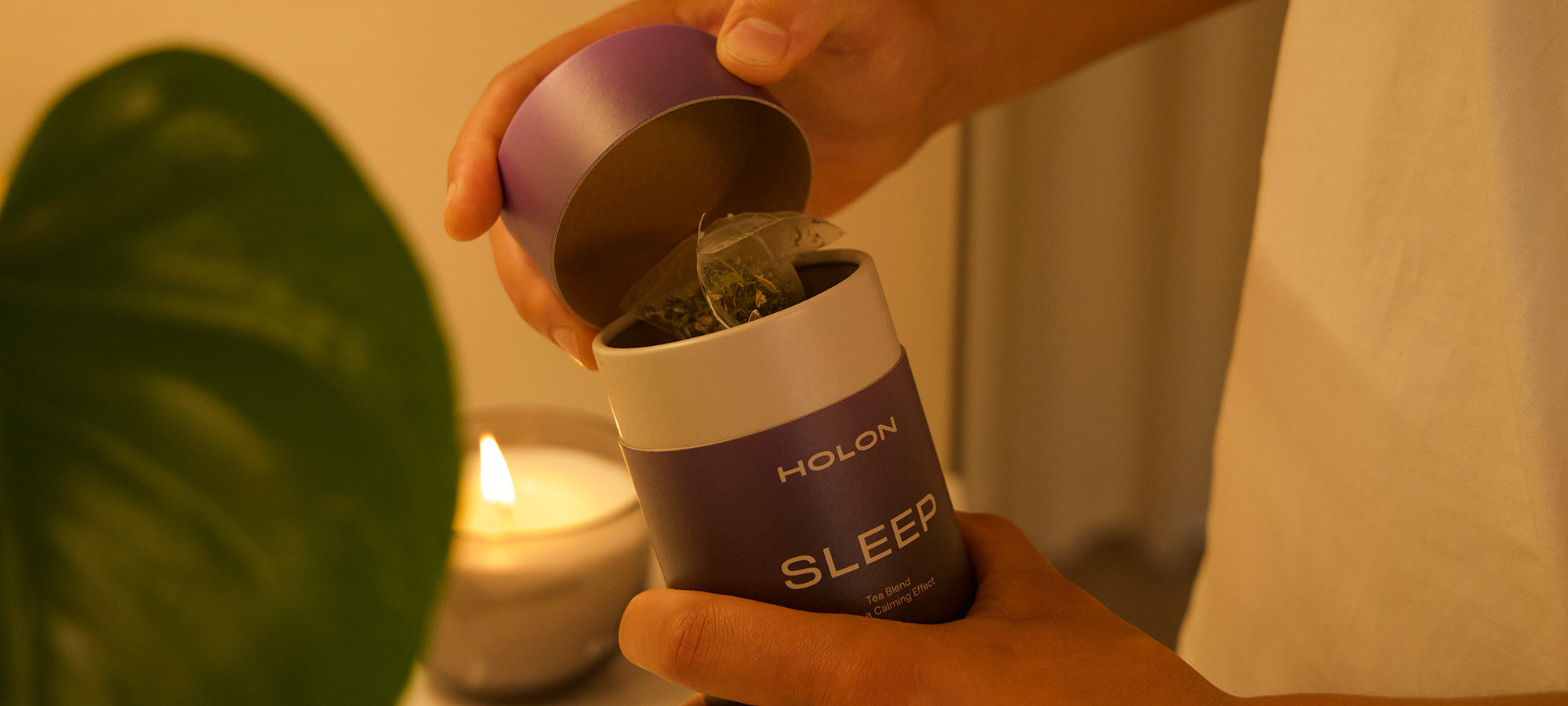
Our Sleep Tea isn't just another bedtime blend. It's a carefully curated symphony of ten premium botanicals, each selected for its unique ability to support relaxation and promote restorative sleep...
We know what to do. The science is clear, the recommendations are everywhere, and the evidence is overwhelming. Andrew Huberman's sleep toolkit has been shared millions of times. Matthew Walker's r...


